
Skip to product information

coming soon

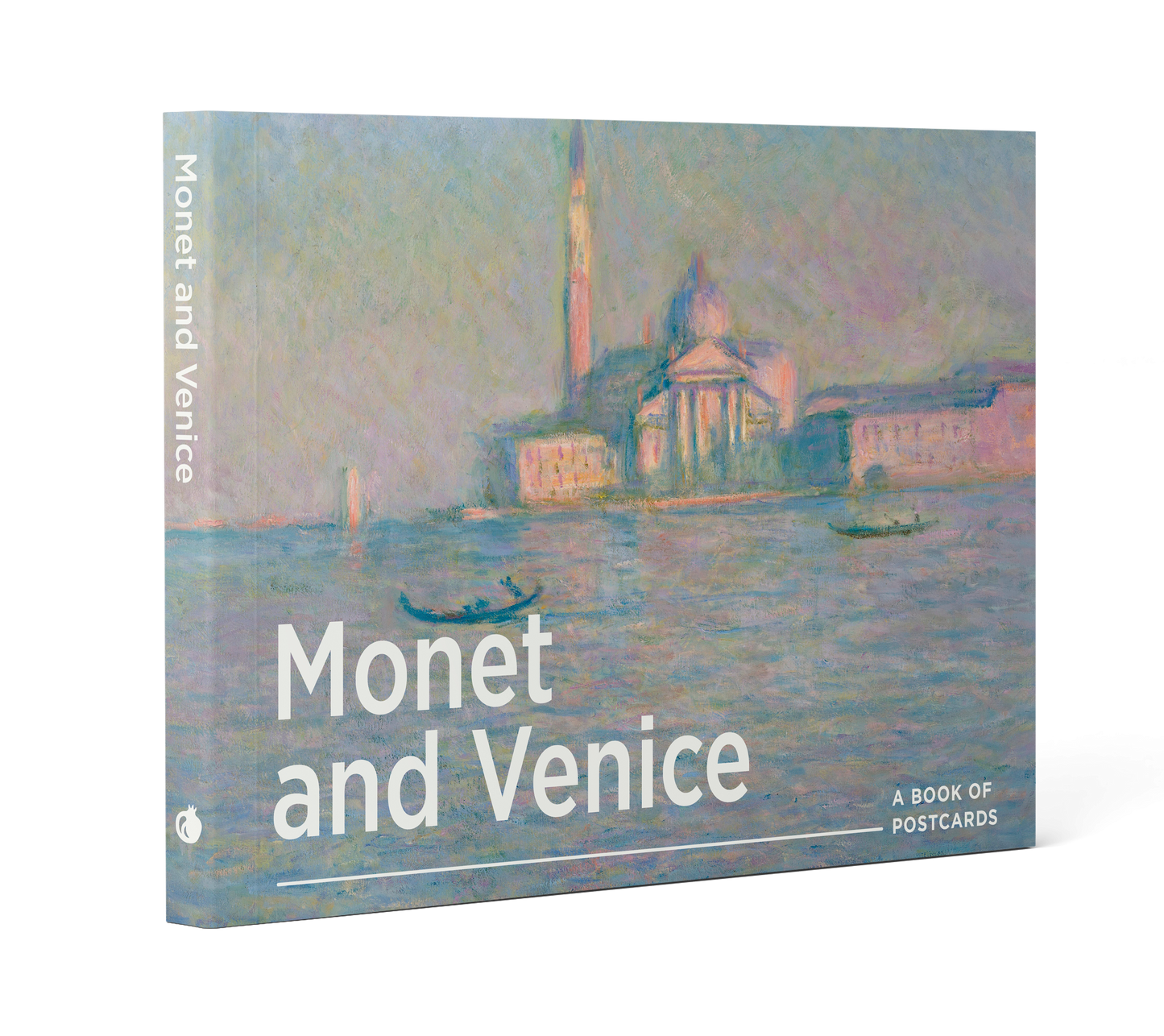
Monet and Venice Book of Postcards

Monet and Venice Book of Postcards

Regular price $14.95
Regular price Sale price $14.95
Sale Sold out
Notify Me When Available

Description

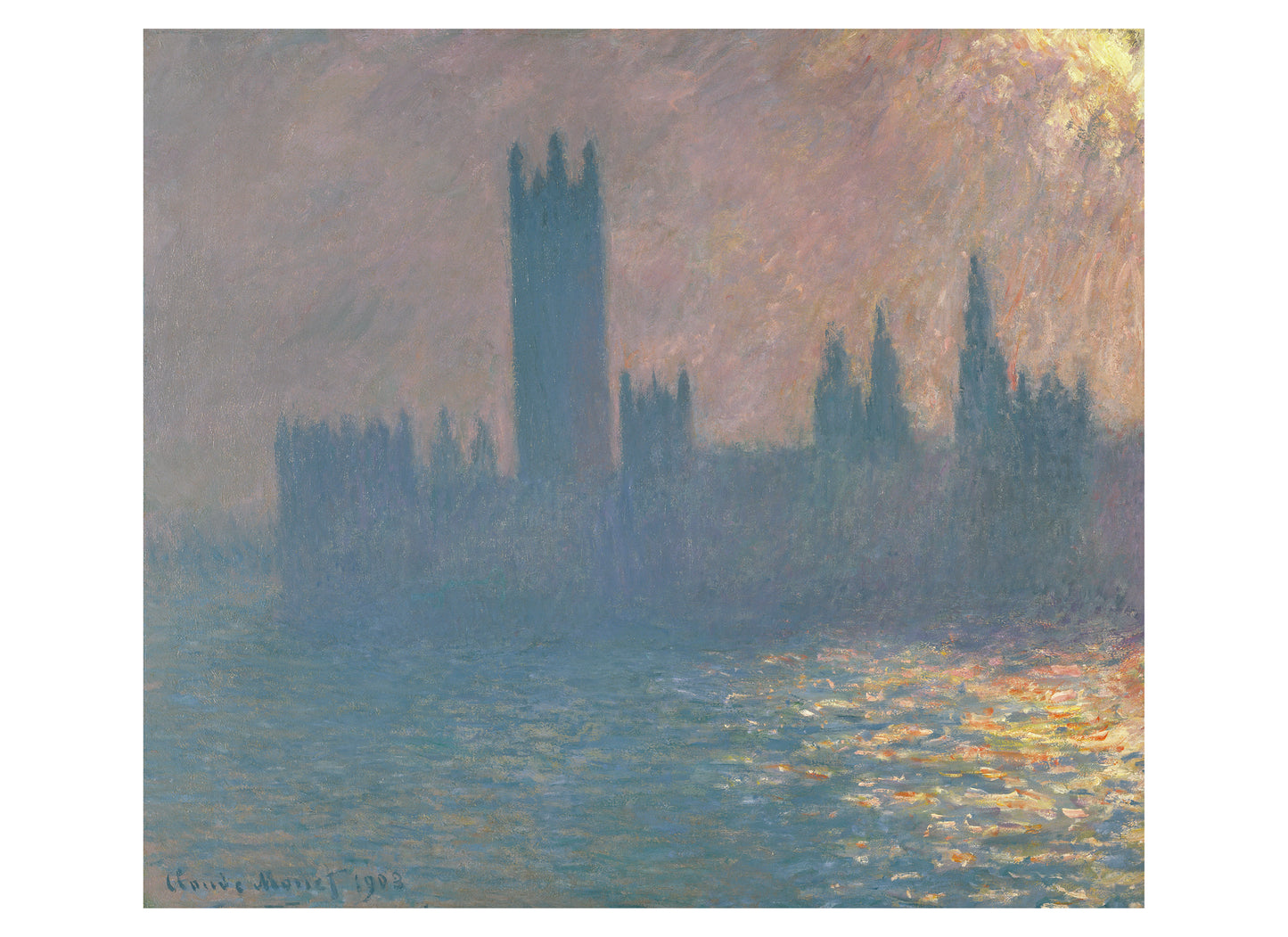
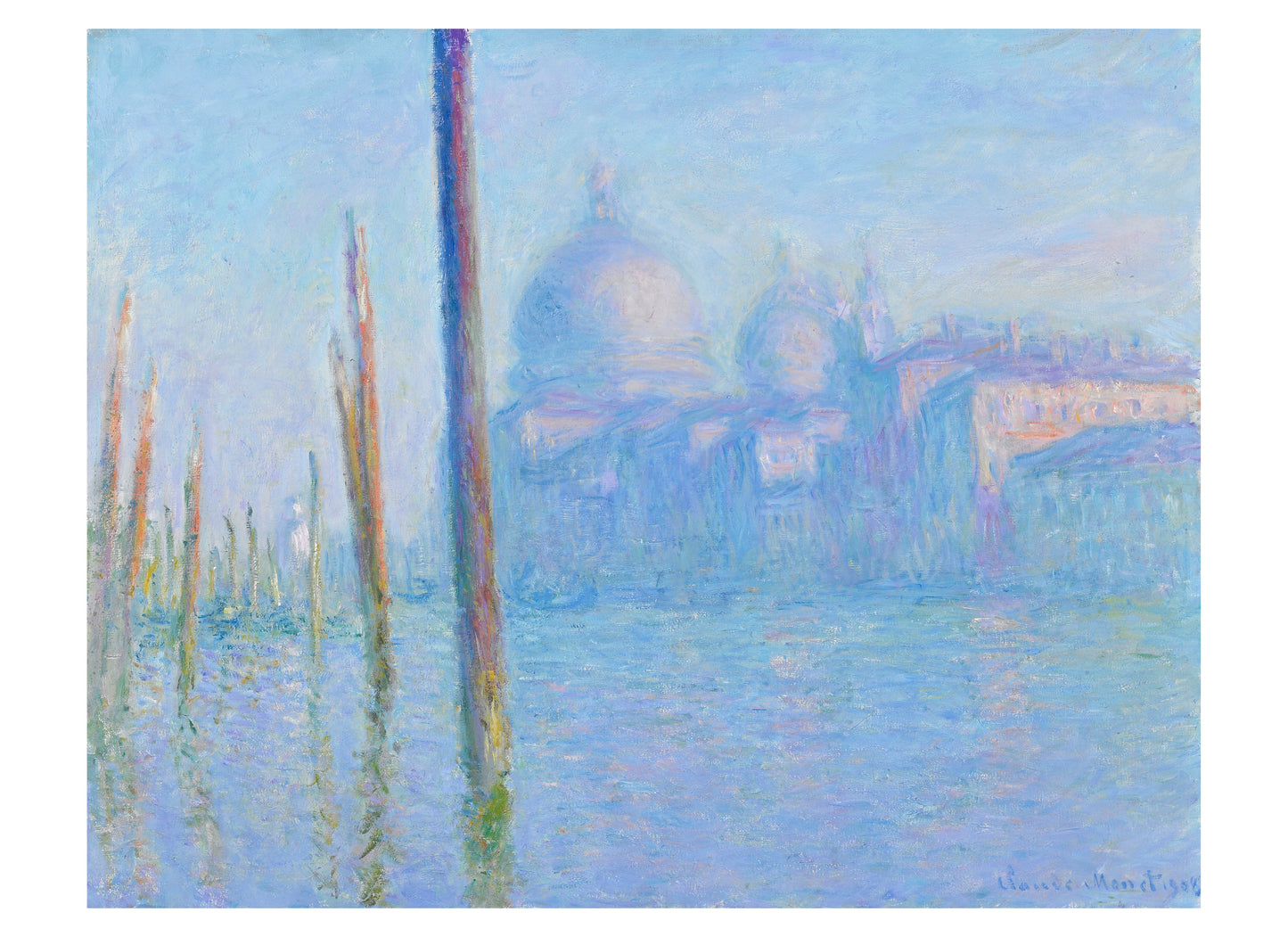
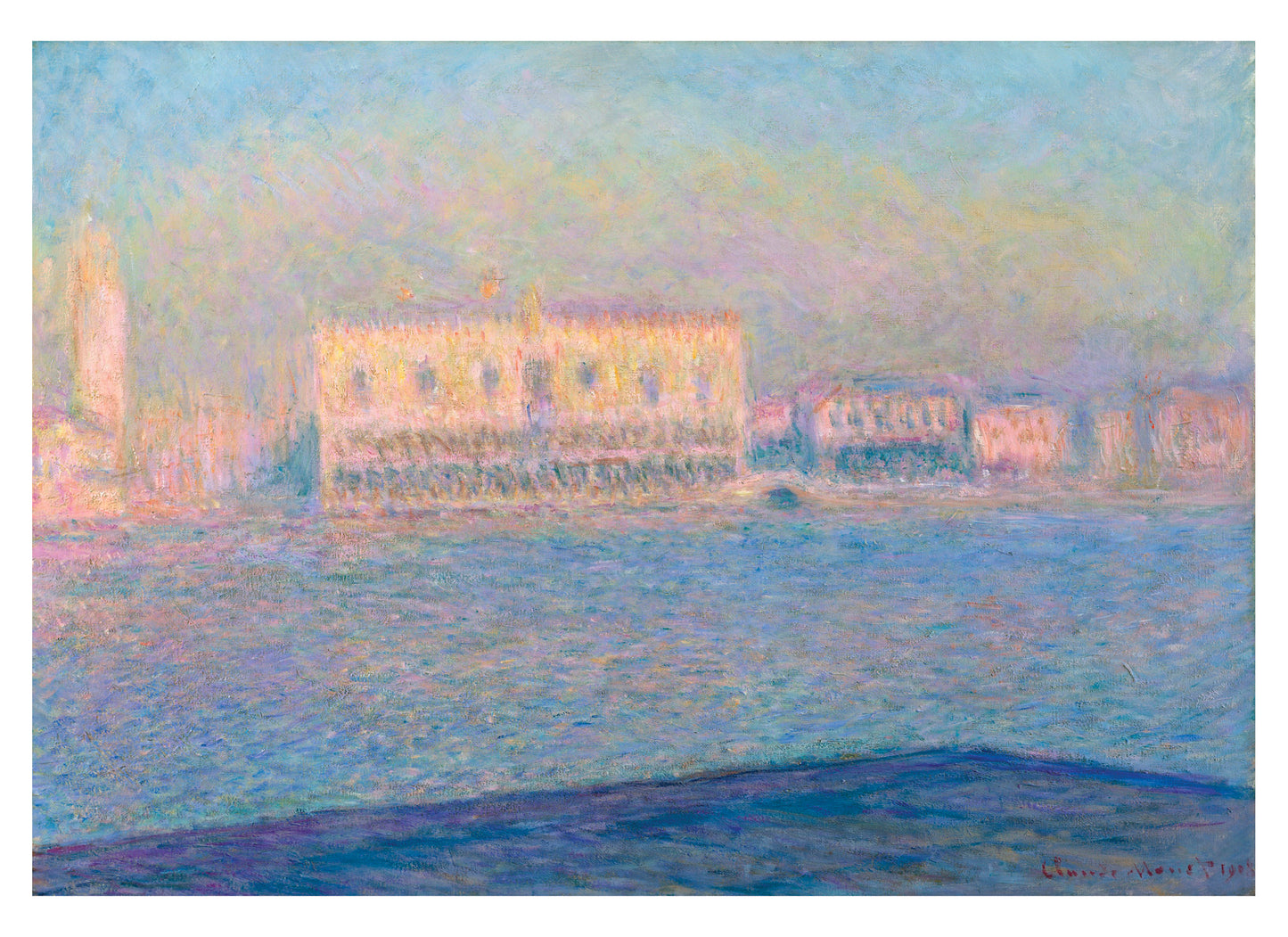
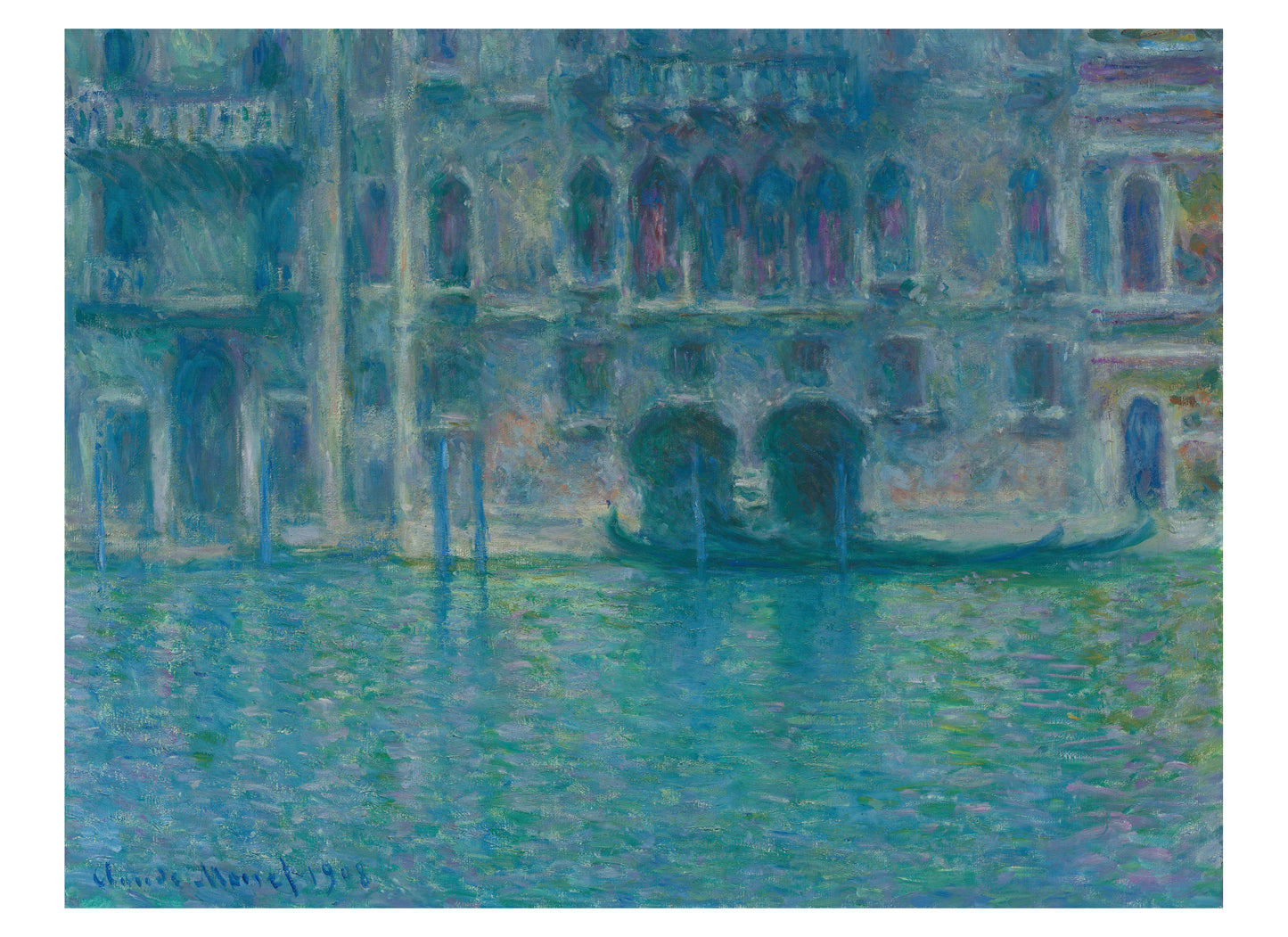
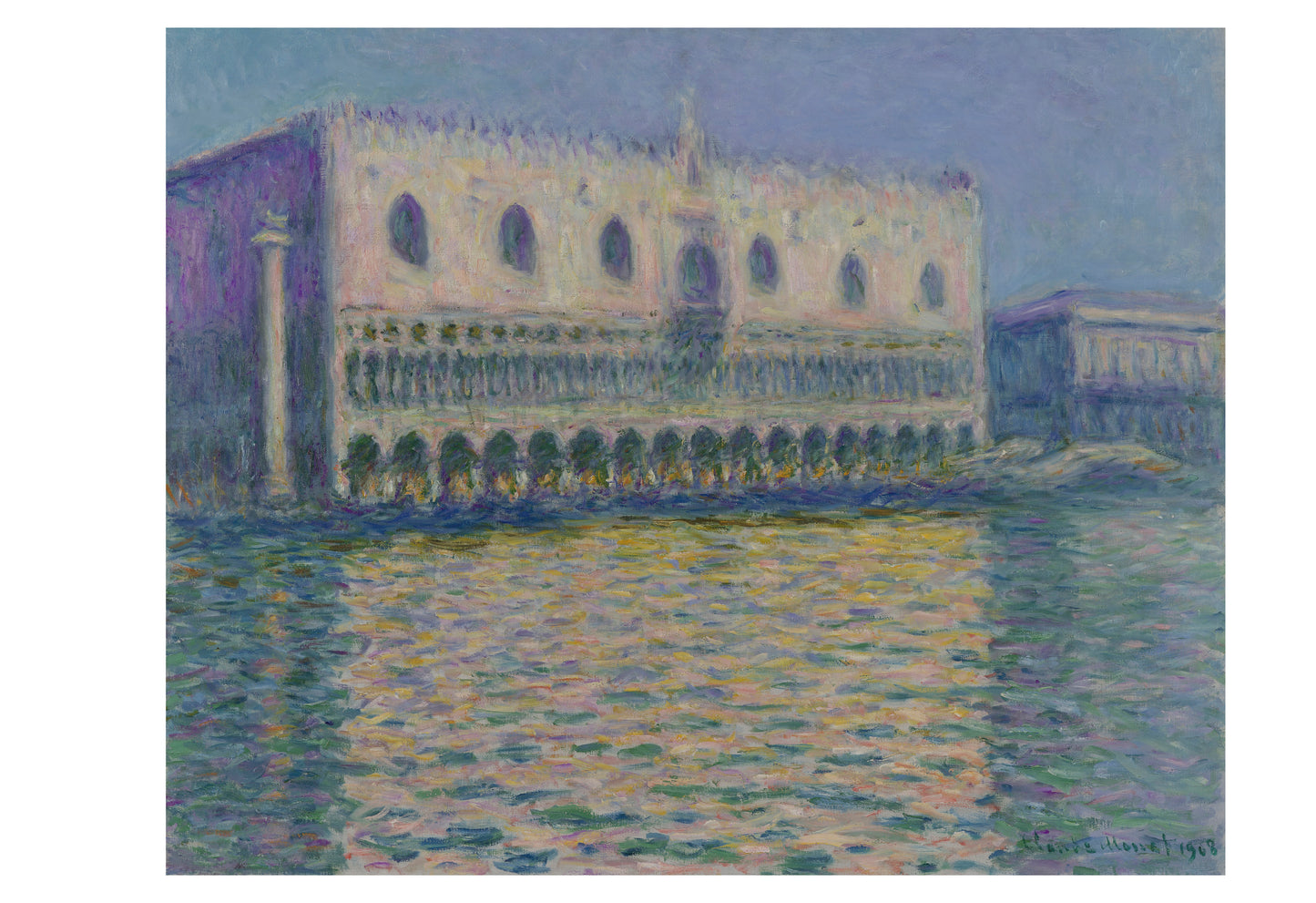
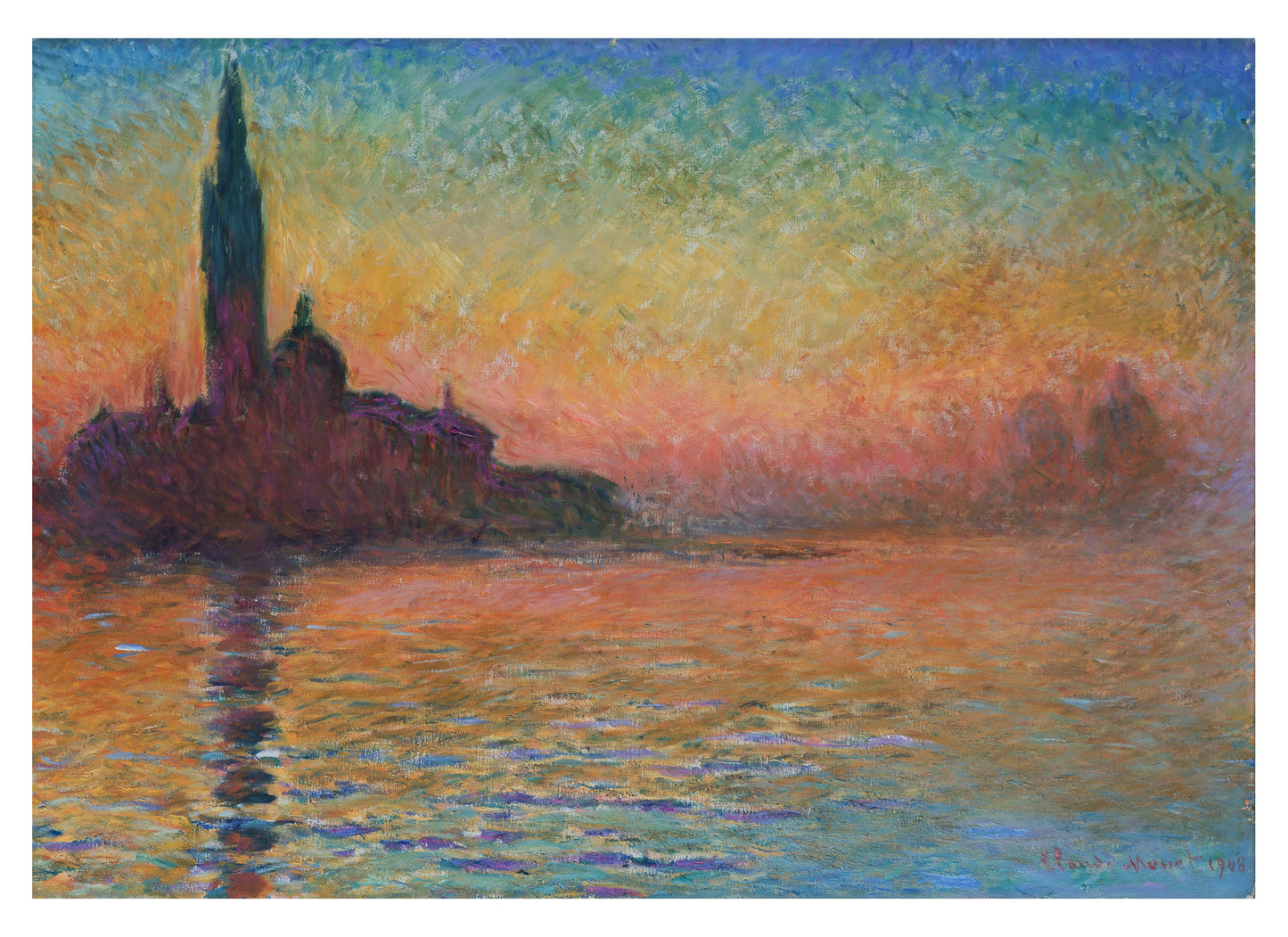
In October 1908, at the age of 68, Claude Monet traveled to Venice—for the first and only time—at the encouragement of his wife, Alice. Monet initially remarked that Venice was “too beautiful to be painted,” and it is perhaps this very beauty, and the city’s fame, that has obscured the significance and daring nature of the works he produced there. Often overshadowed by his iconic depictions of the French landscape, Monet’s Venetian works are among the most luminous of his career. Venice resonated with the concerns and dualities around time, sensation, nature, and artifice that informed Monet’s creative practice. The precarious, water-built city at once embodied the ebb and flow of time and a symbolic timelessness. Suffused in an iridescent and transfiguring light, it was physically defined by the interplay of surface and reflection at the points where water, sky, and stone meet. Monet, who had in recent years grown frustrated with his artistic progress, thus found in Venice a singular variant of the kind of tonally unifying atmospheric effects—which he called the ​enveloppe​—that he sought to render throughout his career. Not long after the Monets returned from Venice, Alice manifested symptoms of leukemia, and following her death in 1911, a grief-stricken Monet was able to finish the Venice paintings only in 1912. They were displayed in Paris to great acclaim. Monet always grappled with the impossibility of capturing the fleeting sensory impressions that he sought in his motifs. After Alice died, the Venice paintings became for him true ​souvenirs​—the French word for both “memories” and “keepsakes”—of his happy time there with her. The images in this book of postcards and the corresponding exhibition ​Monet and Venice​ examine iconographic and formal resonances across time and style. Paintings, watercolors, and prints from the 18th through the early 20th centuries—from Canaletto’s scrupulously observed architecture to the glimpses of shimmering canals by John Singer Sargent—accentuate the city’s long-standing allure for tourists and artists alike.

Details

30 color reproductions bound in a handy postcard collection

• Mail the postcards, or keep the book for your own collection
• Decorate your office or dorm room with a wall of images
• Informative introductory text
• Backs of postcards offer enough room for short messages
• Perforated for easy removal
• Oversized postcards may require additional postage
• Pomegranate’s books of postcards feature exclusive selections of art from museums and artists around the world

Book: 6.875 x 4.75 x .375 in.
Postcard: 6.5 x 4.75 in.

ISBN 9781087513485
View full details
Art Integrity

Art Integrity

To bring the highest quality art to life, we collaborate directly with individual artists, international museums, galleries, foundations, and libraries to verify color and accuracy. This way you get the most true-to-life experience second only to an in-person viewing.


Durability

Durability

Our hardcover trade books are Smyth-sewn with lay-flat binding. Our puzzle pieces are thick, interlock immaculately, and have minimal dust. And all of our products are printed on high-quality art reproduction paper with minimal glare, ensuring your long-lasting enjoyment.

Environmental

Sustainability

To respect the art and the earth, our calendars, notecards, puzzles, and many other products are printed with safe, environmentally responsible inks, paper, and materials.

Human Connection

Human Connection

Every order is packed, checked, and shipped by experts from our warehouse in Portland, Oregon. We don't outsource any of our warehousing or distribution.